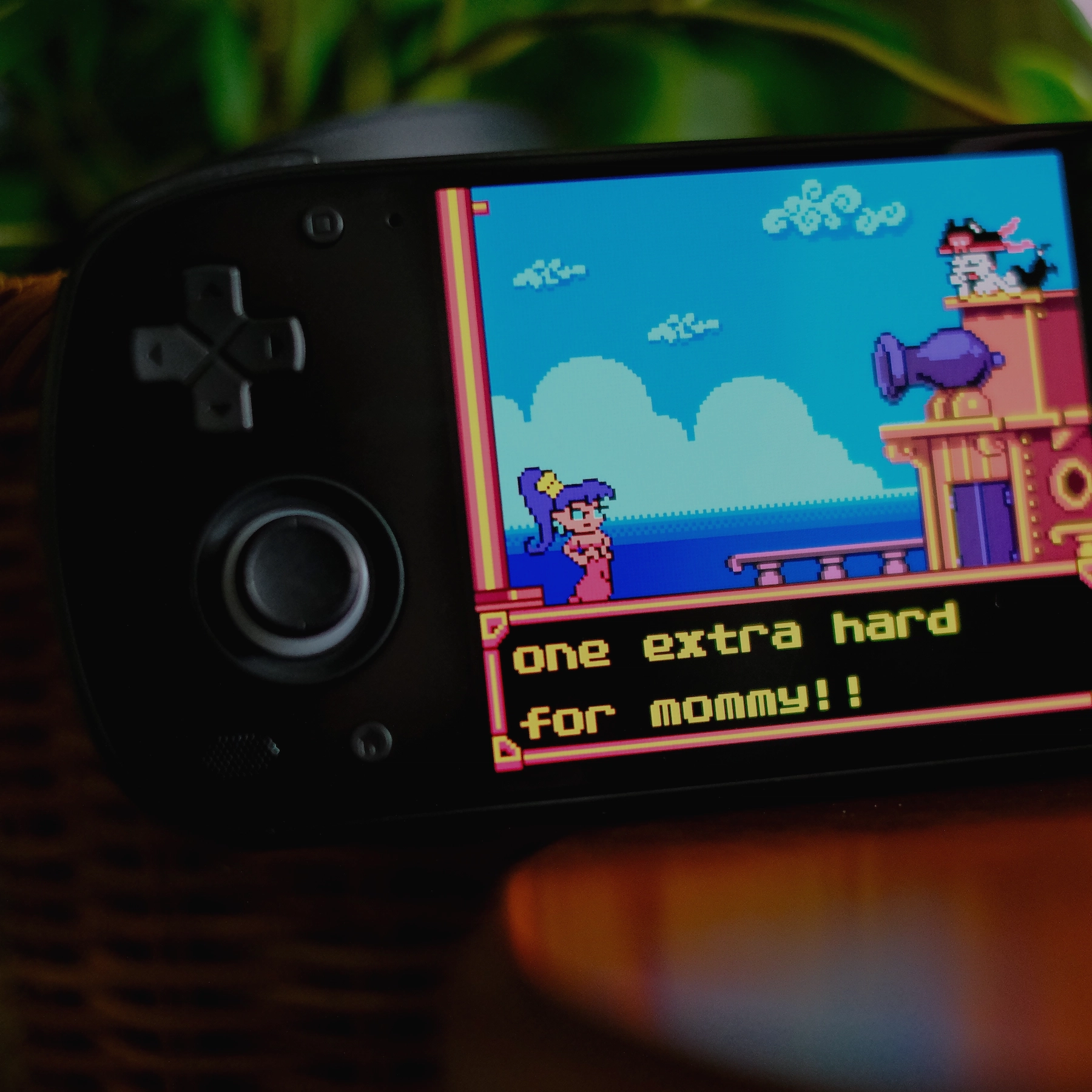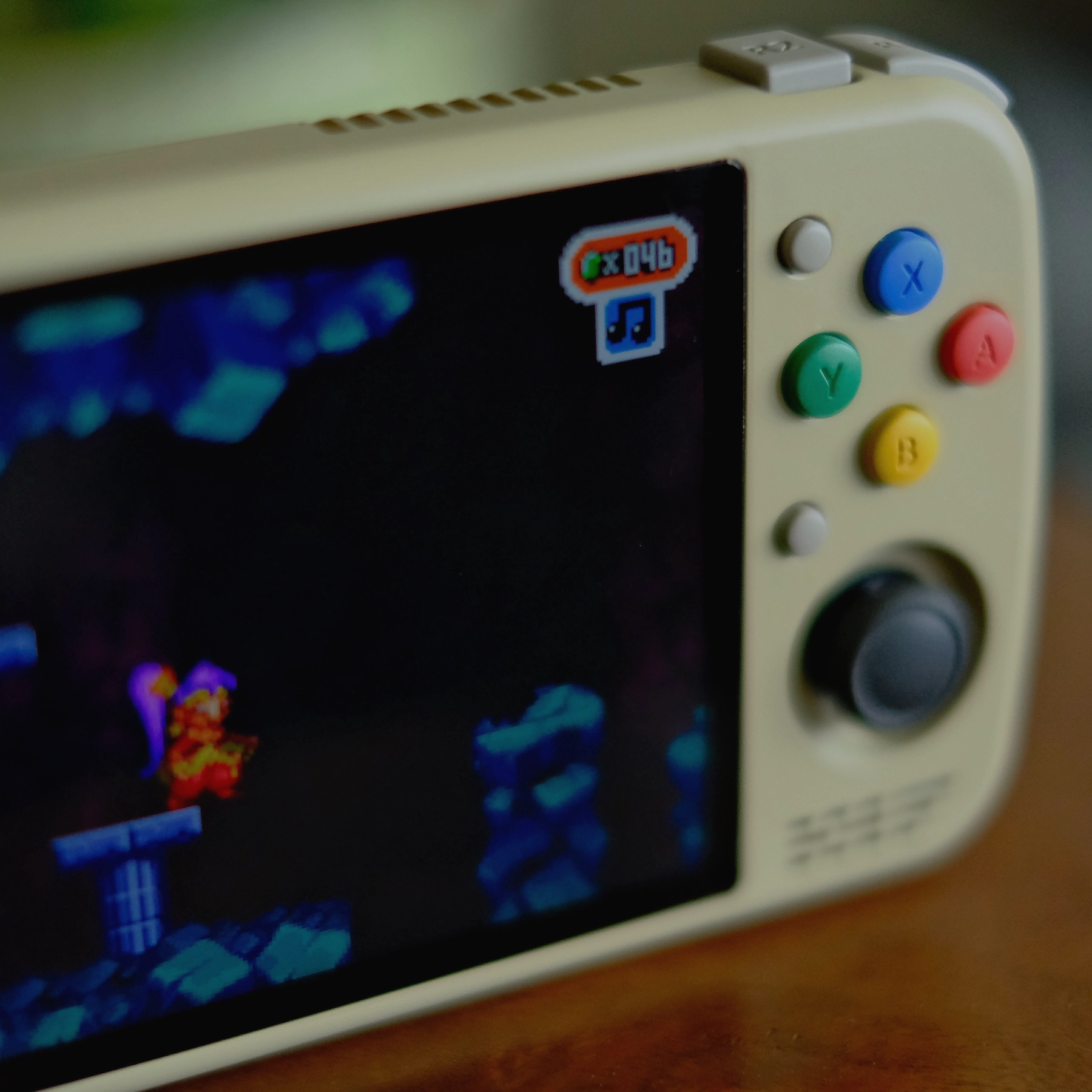



The DS is probably one of the easiest consoles to play game backups on. It does require a separate purchase of a flashcart, but even back in 2005, the price of a DS flashcart rivaled the price of a single game. Add a microSD on top of that, and even back then, you were paying the price of two games for an entire library stored on one cartridge.
DS games are typically around 64MB, but some can reach heights of 256MB. In 2005, we were just breaking away with 4GB microSD cards, and the dream was to eventually double that size. Back then, storing around 80 games on a single cartridge was a glorious, satisfying idea. Even better, it bore no intrinsic differences from playing the game normally except in very specific situations, but more on that later.
In 2026, the Nintendo DS and Game Boy Advance are largely past their respective primes, and we now know we can fit the entire Nintendo DS and Game Boy Advance libraries on a single 256GB microSD card.

As storage sizes, file access, and hardware have improved over the past two decades, the Nintendo DS flashcart scene has also evolved to match the landscape. Enter the DSpico.
The DSpico is a new, open source flashcart made by the LNH Team powered entirely by a Raspberry Pi 2040. The chip powering the DSpico sets it apart on its own, simply due to technological advancements making it possible to fit entire computers into something small enough to sit inside a DS cartridge shell. But the best feature of the DSpico, by far, is its open source nature.
Open Source is the Future
By being open source, it ensures that the future of the flashcart is not solely bound to the current development team. Even now, if another person or group decides they can build better or more optimized features within the confines of the flashcart, they can release an alternative fork of the firmware themselves. We have seen similar things happen after the Atmosphere developer retired and new contributors stepped in to update it for Switch firmware 22.0, or the FunKey OS firmware having an entire custom fork by DrUm76 that introduces leagues of changes and improvements over the stock experience.
Even inside of this, DSpico can run other flashcart menu solutions like AKAIO, YsMenu, and Wood R4. Open sourcing the base software made all of these other launchers possible.
Coupled with open source hardware and software is an almost inherent community, a community of builders, tinkerers, and creators of all sorts. The DSpico I have is made using a service like PCBWay, while its shell is 3D printed in a translucent frosted white. This is only possible through the hardware itself being open sourced.
Recently, it was announced that the DSpico would be available commercially through Laser Bear Industries, makers of the CRT styled iPad screen build, and Phenom Mods for $20 to $30.
While open source hardware and software is important, the true value of open source software is how usable it is for the end user. And luckily, after 20 years of roughly the same kernel firmware options for the DS, the Pico Launcher on the DSpico introduces some incredibly nice changes.
Using the Software
Pico Launcher has a cover art styled game browser, but also features a tile based game listing option, similar to how games would appear on the 3DS and Wii U. While mods like TWiLight Menu++ on the DSi offer the same type of visuals, having it featured on a flashcart minimizes long wait times often found when using various SD card-based solutions on the DSi.
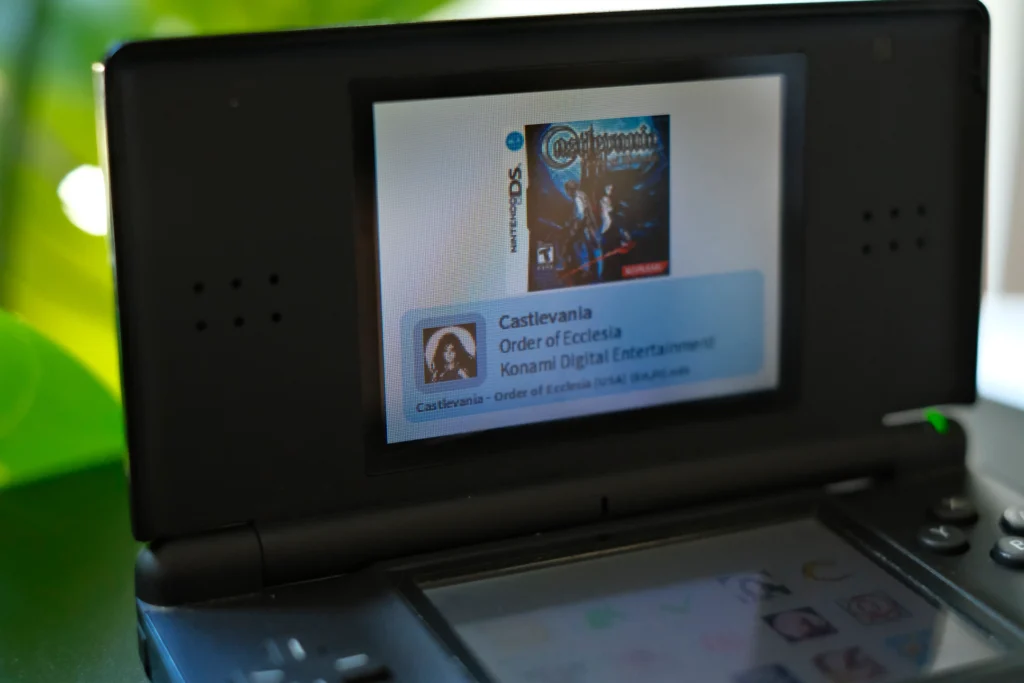
When it comes to comparisons, the DSpico easily surpasses older flashcarts by leagues and bounds when looking at it from a technological standpoint. It is simply an improved piece of tech with more overhead power than any older flashcart ever had. For instance, the DSpico can play GBA games directly off the flashcart, whereas only flashcarts like the DSTwo could do so – barely – in previous years, or setups like the Acekard with the Wood kernel paired with a separately purchased GBA flashcart in Slot-2 of the DS, something entirely gone from the DSi and DSi XL.
Using Pico Launcher is such a welcome change to the general DS landscape. For a long time, compatibility was high on flashcarts, and inconsistent through TWiLight Menu++ on a software-modded DSi. Utilizing nds-bootstrap offered the ease of not needing a flashcart, added support for GBA games in many cases, and was entirely software based, managed by the classic sized SD card inside the DSi. The DSpico is like a merging of those two points, while introducing the ease of using a simple flashcart instead of having to manage an SD card installation that changes the way the DS operates overall.
Pitfalls of the DSpico
This is not to say the DSpico is perfect, not in its current state anyway, but its definitely on its way there. There are still some things that are not yet supported, like cheats. Ancient flashcarts like the CycloDS EVO had a plethora of revolutionary features that we truly never saw repeated. For instance, the CycloDS EVO had a feature called Real Time Save that operated similarly to save states, just not as refined as they exist today in typical emulators. It also had a fast forward feature for specific games that truly set it apart from the competition.
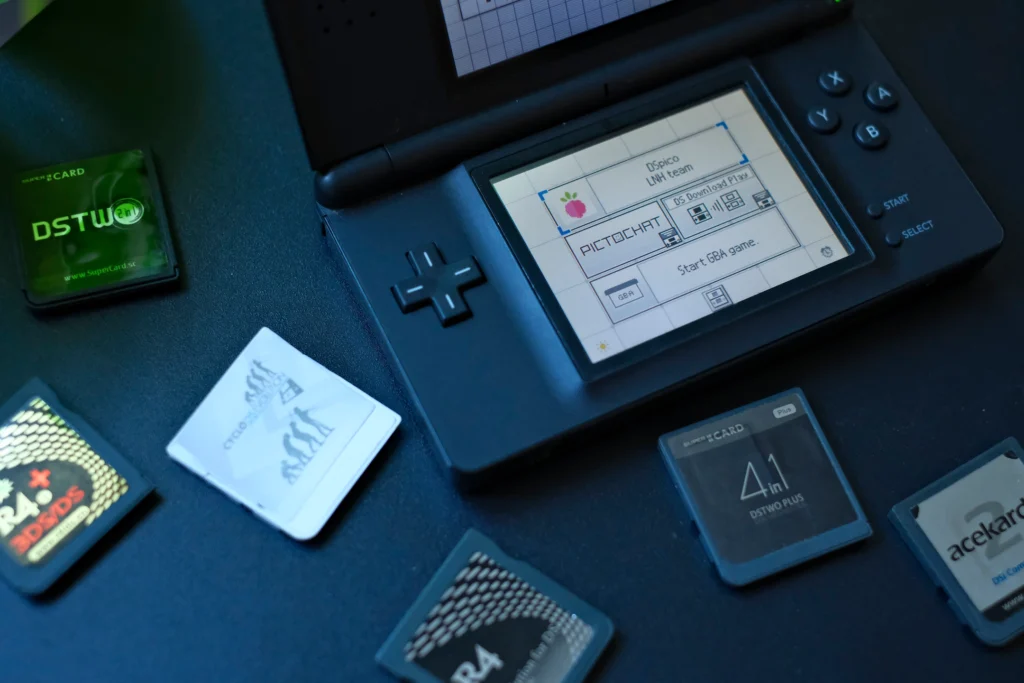
The DSpico lacks all of these features, but the intriguing part is that it more than likely lacks them for now, and not forever. By being open sourced, having a community built around it, and being built on modern technology, the limitations of the flashcart are only defined by the creativity of the developers willing to tackle the challenge. Still, as it stands currently, judging something off its potential as opposed to what it currently offers feels disingenuous. But at the same time, having the ability to have a future beyond its current limitations and development is certainly a high mark deserving praise.
Wrap-Up
While some older flashcarts offer a familiar UI and useful features not yet found on the DSpico, and TWiLight Menu++ offers a purely software based experience, the DSpico manages to stand above all other options for me. Open source hardware and software truly cannot be overlooked, especially for old consoles that have more or less been left in the dust by emulation handhelds. Older flashcarts also have not seen updates in over a decade, but the DSpico receives updates frequently, with a future of updates more or less assured.
So to me, it is the definitive best flashcart. It packs all the features I want, misses only a few that I only see edge case usage for, and it is modern. All of these things combined, considered, and consolidated, put the DSpico above its peers. Easily.
The DSpico makes a strong entrance, and its future is even brighter due to its open-source nature.
✓ Pros
- Open-sourced
- Pico Launcher
- Frequently updated
- Modern tech
✗ Cons
- No cheat support
- No save states
- Has to be bought or built
- Older flashcards have some better features